.png "SMART-DRAGON-BALLOT-EXPERT-1")



Share Link

The Philippines has taken an interesting step forward in document digitalization: electronic notarization is beginning to be used in practice, allowing PDF files to be processed through the new e-notarization system, while traditional paper documents and physical seals are still widely used. This creates a practical issue—embossed seals are usually very clear on paper because of their raised and recessed patterns, but once a document is scanned, photocopied, or saved electronically, the impression may become less visible. Recently, one of our long-term customers in the Philippines customized a batch of Seal Impression Inkers from us. These tools are designed to add color contrast to an existing embossed seal impression, making it easier to recognize.
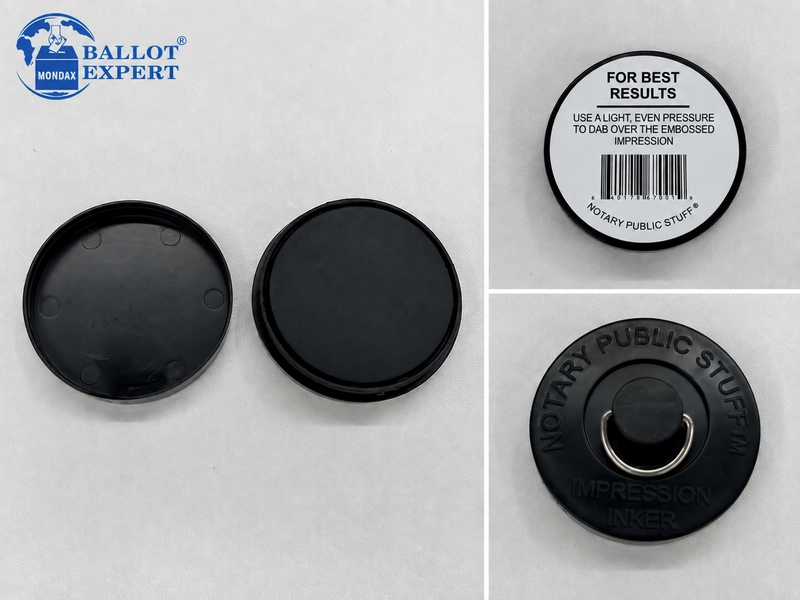
This product features a simple and professional office-style design. It has a black plastic housing with a flat circular shape, a metal finger ring on the top for easy handling, and a separate protective cover on the bottom to protect the inking surface. With an overall diameter of approximately 56mm, it is compact, lightweight, and easy to carry. Although it may look similar to a regular ink pad, it works quite differently. A regular stamp follows the process of “ink first, then stamp,” while a Seal Impression Inker is used after the seal has already been embossed. Once the pattern is created with a seal embosser, the user simply holds the metal ring and gently applies the inking surface to the raised parts of the embossed seal. Light and even pressure is recommended, as pressing too hard may cause ink to reach the surrounding paper. This Embossed Seal Impression Inker is suitable for certificates and other embossed documents that need to be scanned or digitally archived.
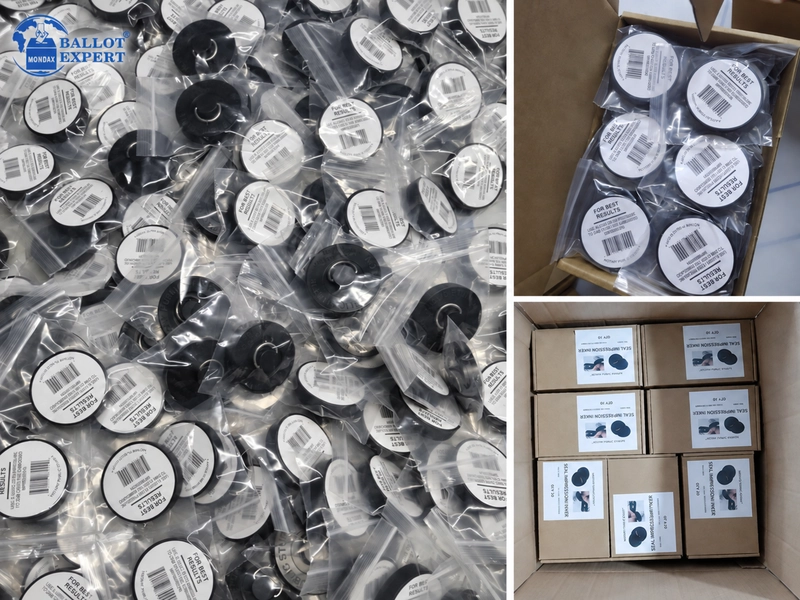
We sincerely appreciate the continued trust of our long-term Philippine partner. If you are also looking for Seal Impression Inkers or related office and election supplies, please feel free to contact us for more product information.